
System planning guide
The value of Verkada Alarms depends on how well it matches the facility, users and support plan. The sections below separate product-family facts from site-specific design decisions for commercial projects in North and South Carolina.
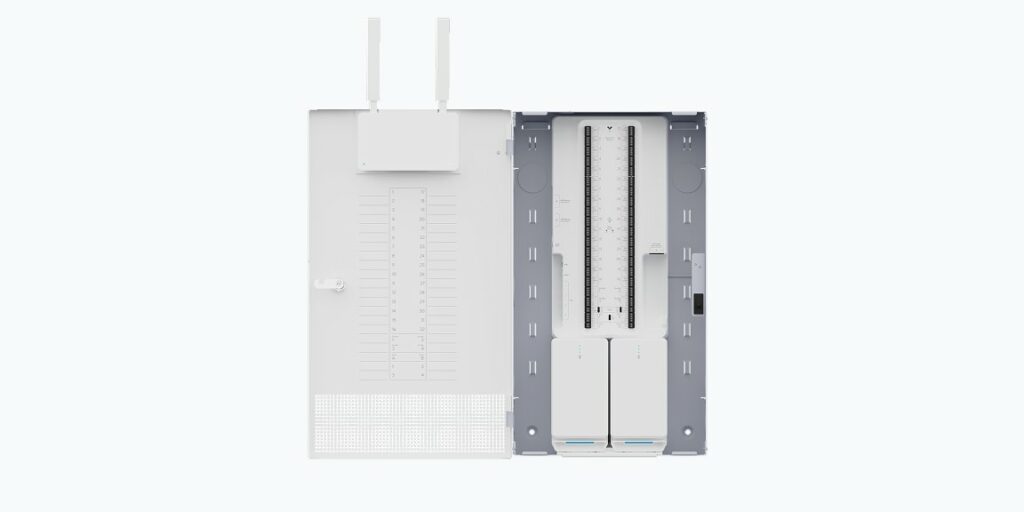
Product capabilities worth comparing
These product-specific topics help a project team ask better questions. Their presence on the page does not mean every component belongs at every site.
- Certified Verkada Alarms Design, Installation and Support
- What a complete project can include
- On-site assessment and review of existing infrastructure
- System design, equipment selection and written project scope
- Cabling, mounting, termination, configuration and integration
- Device-by-device testing, labeling and project documentation
- Administrator orientation, user training and support planning
Decisions to document before procurement
A model number is only defensible when the project record also covers infrastructure, administration, integrations and failure behavior. Resolve these questions during design.
- Coordinate access control, video verification, fire-system boundaries and building-management interfaces.
- Define arming authority, false-alarm controls, duress procedures, event retention and user training.
- Test standby power, communication failure, tamper conditions and each response path before acceptance.
- Identify protected areas, operating hours, environmental conditions and the events that require notification.
Planning for North and South Carolina facilities
Regional service does not mean duplicating one specification at every building. Each site should be surveyed for existing infrastructure, environmental exposure, code and egress conditions, operating workflow and realistic maintenance access.
Project administration is based at 6201 Fairview Rd, Charlotte, North Carolina 28210 - USA. North Carolina and South Carolina work is scheduled according to site count, system type, required trades and support expectations.
A practical delivery sequence
1. Discovery
Define objectives, users, existing assets, ownership and measurable acceptance criteria. The Verkada Alarms scope should identify the evidence produced at this stage.
2. Field review
Validate infrastructure, pathways, power, network, integrations, environment and work restrictions. The Verkada Alarms scope should identify the evidence produced at this stage.
3. Documented design
Select components only after assumptions, responsibilities, licensing and test criteria are written. The Verkada Alarms scope should identify the evidence produced at this stage.
4. Acceptance
Exercise normal operation, failures and recovery; then deliver training and system records. The Verkada Alarms scope should identify the evidence produced at this stage.
Lifecycle, updates and official resources
Verify current model status and supported software before procurement. Obtain firmware, release notes and manuals only from the manufacturer’s official resources; 360 Mobile Vision does not redistribute firmware. Backups, prerequisites, licensing, integrations, downtime and rollback all belong in the update plan.
Current manuals, release notes, compatibility information and downloads should be obtained from the manufacturer’s official support portal for the selected product.
Build a site-specific scope
Provide drawings or photographs when available, along with known models, quantities and required workflows. The team will use them to frame the next step for Verkada Alarms.
Authorized · Certified · Carolinas
Authorized Verkada dealer, certified installer and integrator
360 Mobile Vision sells, installs, programs and services Verkada for businesses across North and South Carolina — cloud cameras with edge recording, door controllers, intercoms, alarms and environmental sensors. Being the authorized dealer as well as the installer is what gets you genuine equipment, a valid warranty and a manufacturer support path when something needs escalating.
- DealerWe quote and supply genuine Verkada equipment, licensing and subscriptions.
- InstallerOur own technicians run the cable, mount the hardware, set the software up and test it — not a subcontractor you have never met.
- IntegratorWe make it work with the cameras, doors, network and identity systems already in the building, rather than leaving you with two systems that do not talk.
- Still here afterwardsService, repair, expansion and takeover of systems somebody else installed. Emergency support around the clock.
Official Verkada software, firmware and support
Use the manufacturer links below for current software, firmware, release notes, manuals and technical resources. 360 Mobile Vision links directly to official manufacturer portals and does not copy or host firmware files.
Before installing an update: verify the exact model, region, hardware revision, current version, required intermediate releases, licensing or support entitlement, backup and rollback plan, integrations and maintenance window. An incorrect firmware package or upgrade sequence can interrupt service, invalidate compatibility or prevent a downgrade. Coordinate updates for monitored, life-safety-adjacent or business-critical systems with the system administrator and an authorized specialist.
Some resources require a customer, dealer, certified-technician or active-support login. Cloud-managed products may update automatically and may not provide a public firmware file.
Related services, products and planning guides
Property Management
Use the Property Management guide to compare compatible equipment, integrations, deployment choices and lifecycle responsibilities related to this project.
Retail
Use the Retail guide to compare compatible equipment, integrations, deployment choices and lifecycle responsibilities related to this project.
School
Use the School guide to compare compatible equipment, integrations, deployment choices and lifecycle responsibilities related to this project.
Verkada Access Control Installation, Repair, Dealer, Reseller and Maintenance
Use the Verkada Access Control Installation, Repair, Dealer, Reseller and Maintenance guide to compare compatible equipment, integrations, deployment choices and lifecycle responsibilities related to this project.
Verkada Environmental Sensors
Use the Verkada Environmental Sensors guide to compare compatible equipment, integrations, deployment choices and lifecycle responsibilities related to this project.