
Why most parking lot surveillance footage is useless
Almost every property manager we meet already has parking lot cameras. Very few have parking lot footage that has ever resolved anything. The cameras are real; the evidence is not. There are four reasons, and they are all fixable at design time and expensive to fix afterwards.
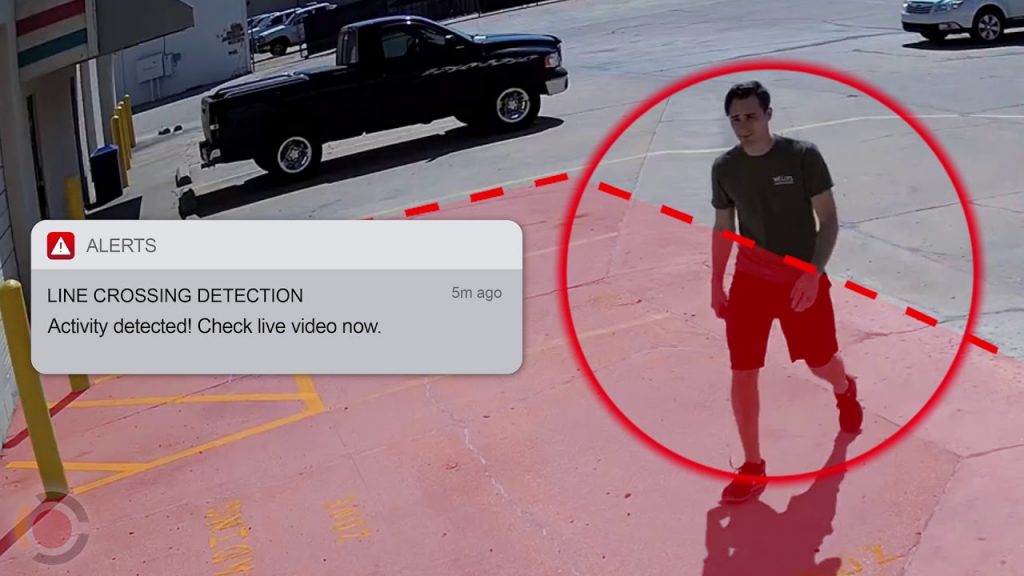
- Distance. One camera on a corner of the building, aimed across the whole lot. It records that a car was there. It cannot tell you which car, or who got out of it. Pixels per foot at the target, not megapixels on the spec sheet, is what determines whether an image identifies anybody.
- Light. A lot lit by sodium or mixed LED at night, with headlights sweeping through, is one of the hardest scenes in the industry. Cameras chosen for a warehouse ceiling produce a white smear outdoors after dark.
- Angle. A camera mounted high and looking down gets excellent coverage and a perfect view of the tops of people's heads. Identification needs a camera at face height on the route people must walk.
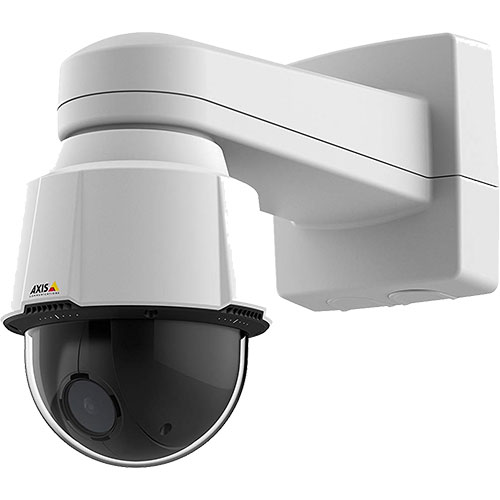
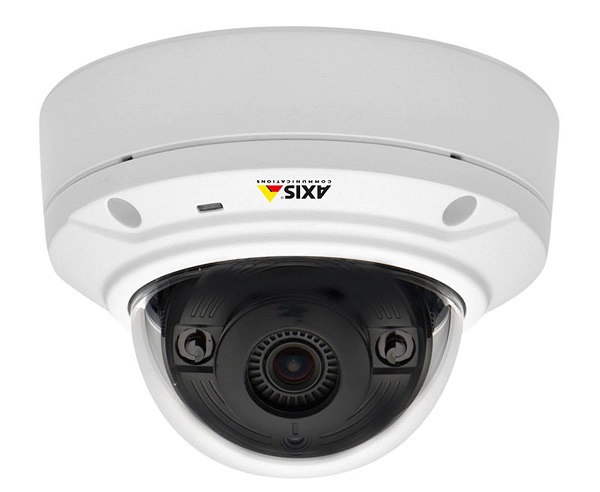
- Weather and mounting. A camera on a pole that flexes in wind produces motion blur all night. A dome with a scratched bubble scatters every headlight into a starburst.
How we lay out a parking lot surveillance system
We design in three layers rather than trying to make every camera do every job.
Overview
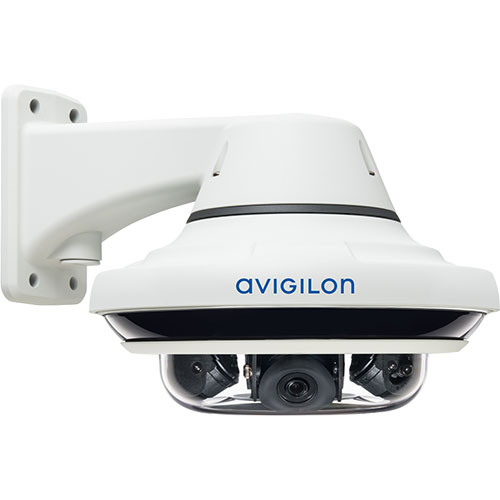
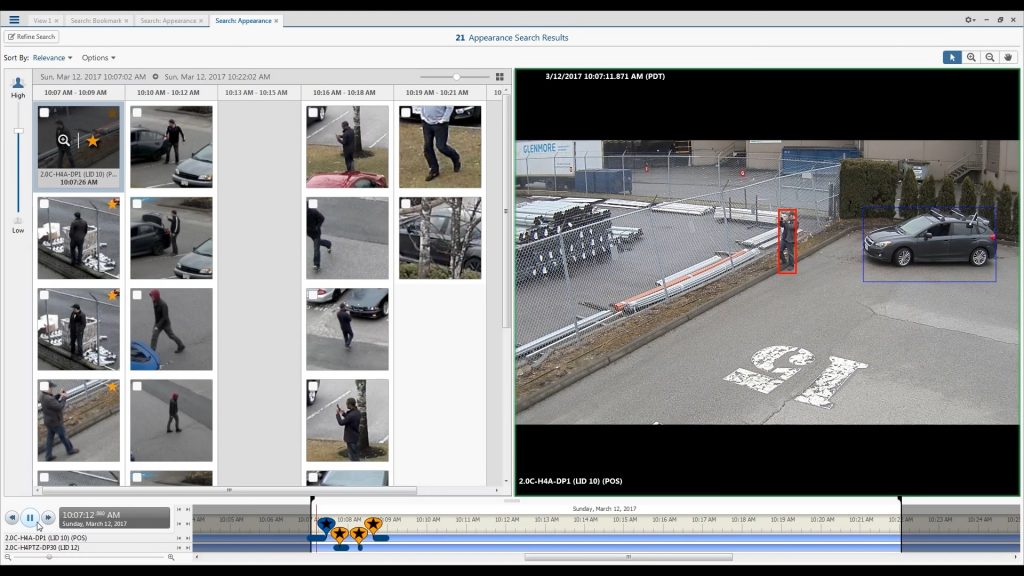
Wide cameras that establish the sequence of events across the lot — where a vehicle entered, which row it took, when it left. Not expected to identify anyone.
Identification
Tighter cameras at face height covering the choke points everyone passes: doors, walkways, pay stations, stair cores. This is where usable images of people come from.
Plates
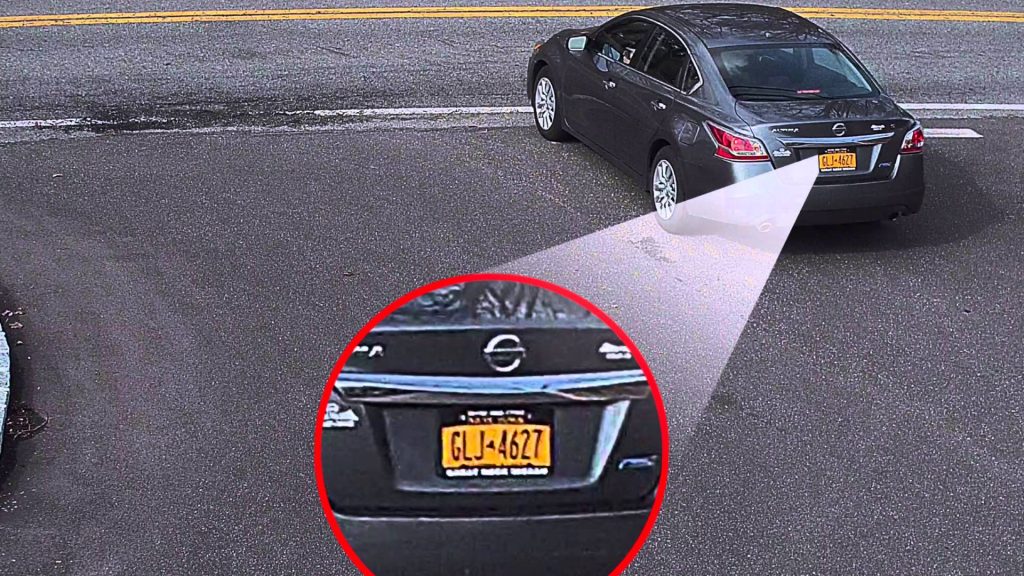
Dedicated cameras at each entrance and exit, set for plates specifically. A camera cannot capture a readable plate and a good picture of a face at the same time — the exposure needed for one ruins the other.
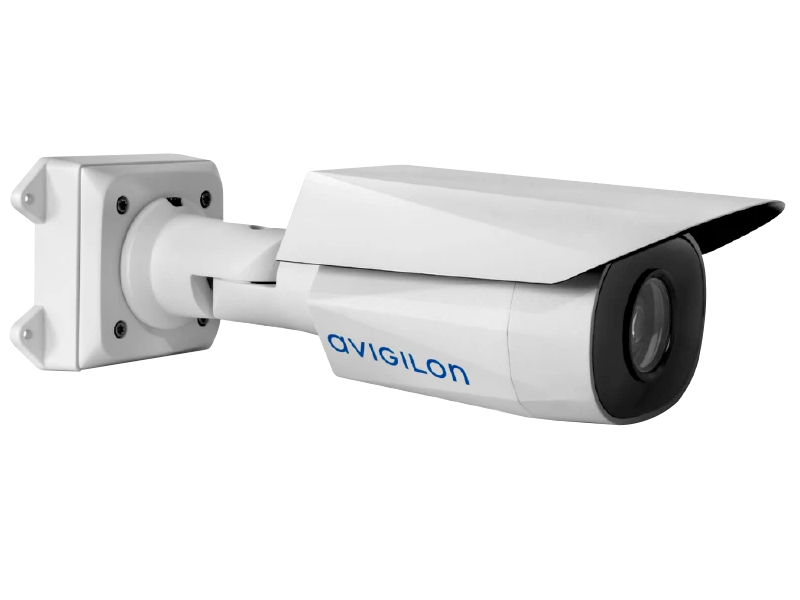
License plate capture in particular is a discipline of its own. The camera needs to be close to the lane, nearly in line with the vehicle rather than off to one side, and set for a short exposure so a moving plate is not a blur. Get the angle wrong by twenty degrees and no amount of resolution recovers it.
Getting power and network into the middle of a parking lot
The design usually survives contact with reality here. Standard Ethernet reaches about 100 meters, which most lots exceed, and trenching across finished asphalt is the single largest line item on many of these projects.
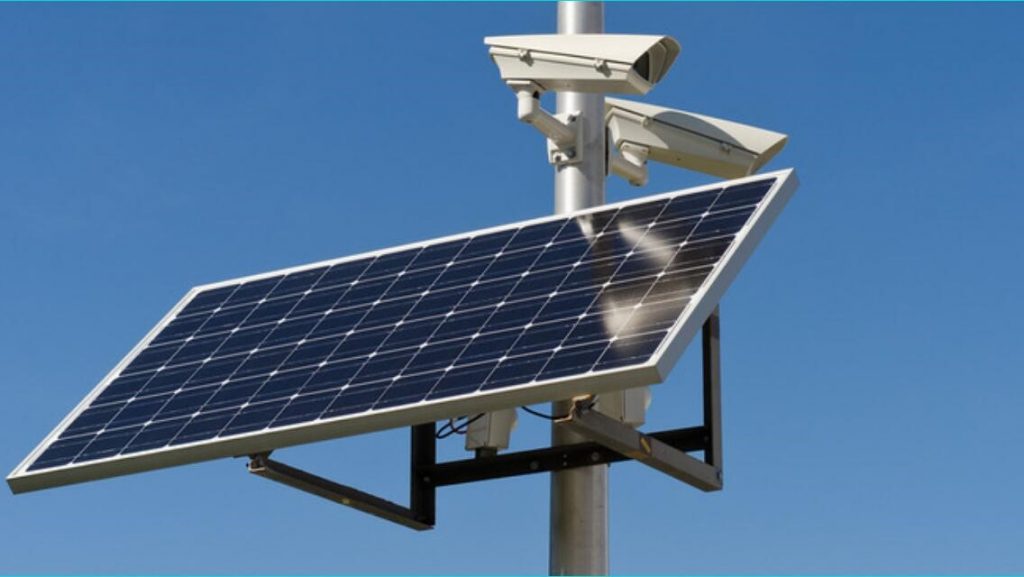
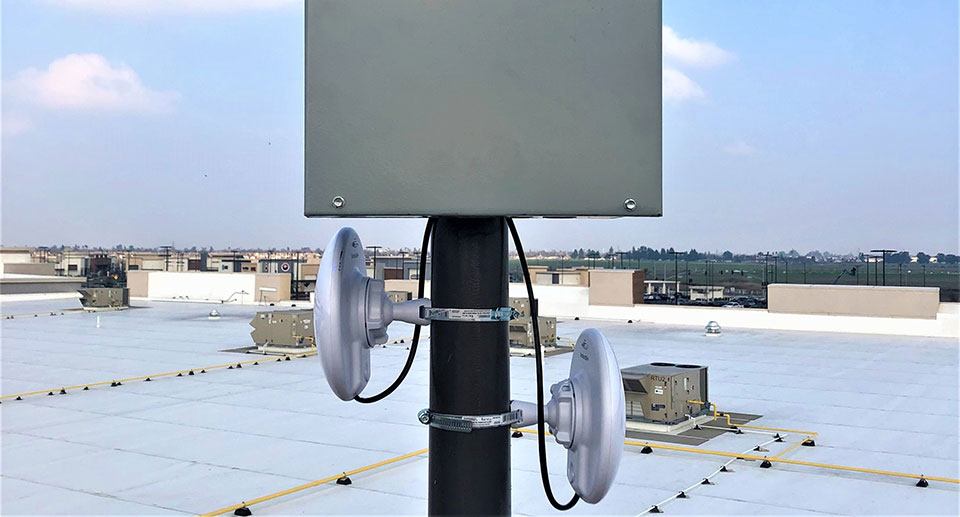
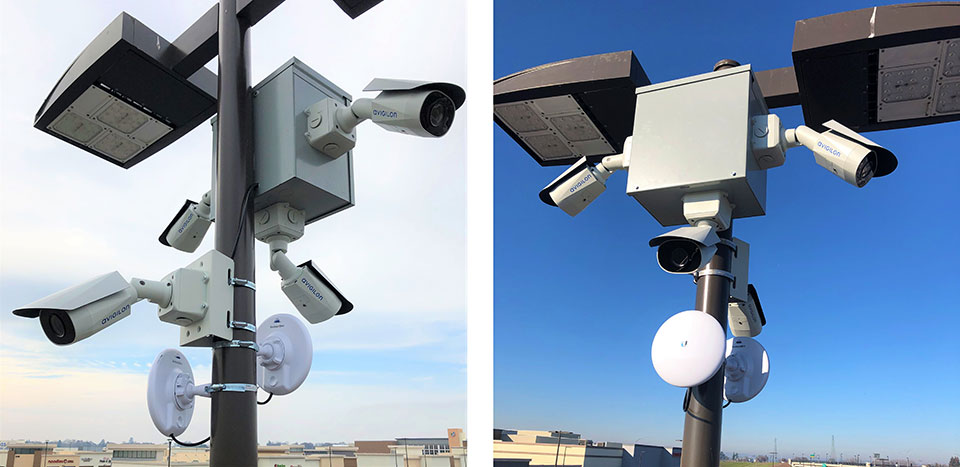
The routes around it, roughly in order of how often they are the right answer: existing conduit and light poles, which are worth surveying before anything is quoted; PoE extenders or fibre with a small enclosure at a mid-point; point-to-point wireless links back to the building, which work well across clear line of sight; and solar with cellular backhaul for lots with no services at all, or for construction and overflow areas that will not be there next year.
Where a lot is temporary, seasonal or still being built, a mobile surveillance unit is usually cheaper and better than trenching for infrastructure you will abandon.
Retention, and what property managers actually get asked for
Parking lot incidents surface late. A vehicle damage claim arrives two weeks after the event; a personal injury claim can arrive months later. Fourteen days of retention, which is fine inside a store, routinely means the footage is gone before anybody asks for it.
For lots we generally recommend thirty days as a minimum and sixty to ninety where there is any history of claims, and we size storage for that at the design stage rather than discovering the shortfall during a claim. We also make sure somebody on your staff knows how to export a clip properly — an unedited file with its timestamp intact, not a phone video of a monitor, which is what insurers and police are usually handed and frequently cannot use.
Authorized · Certified · Carolinas
Authorized dealer, certified installer and integrator — the Carolinas
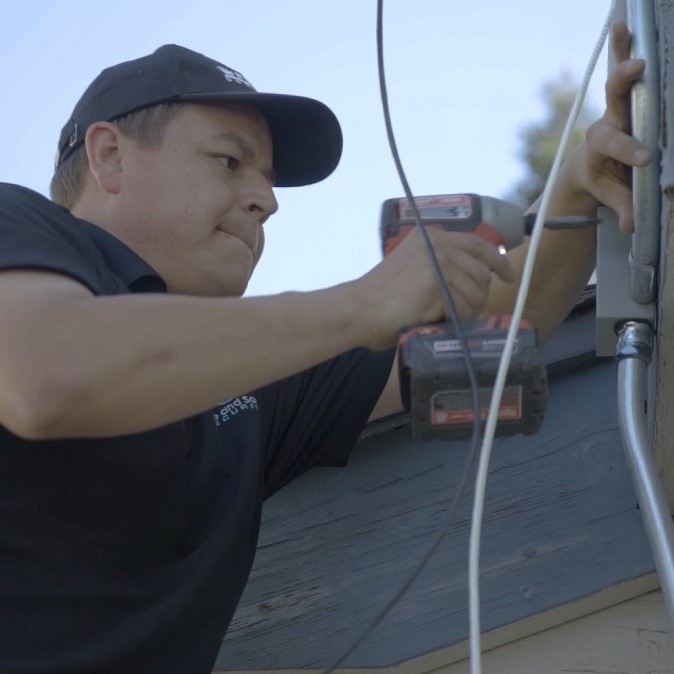
360 Mobile Vision designs, installs and supports parking lot, yard and perimeter camera coverage for businesses throughout North and South Carolina. We are an authorized dealer for the manufacturers we fit, which is what separates a supported system from a box bought online with nobody to call.
- DealerGenuine equipment, correct licensing and a real manufacturer support path.
- InstallerOur own certified technicians survey, cable, mount, program and commission the system.
- IntegratorNew work joined to whatever is already installed — cameras, doors, network, identity.
- Still here afterwardsRepairs, maintenance, expansion and takeover of systems installed by others. Emergency support around the clock.
Related services, products and planning guides
Avigilon
Use the Avigilon guide to compare compatible equipment, integrations, deployment choices and lifecycle responsibilities related to this project.
Axis
Use the Axis guide to compare compatible equipment, integrations, deployment choices and lifecycle responsibilities related to this project.
Commercial
Use the Commercial guide to compare compatible equipment, integrations, deployment choices and lifecycle responsibilities related to this project.
Hikvision
Use the Hikvision guide to compare compatible equipment, integrations, deployment choices and lifecycle responsibilities related to this project.
Manufacturing
Use the Manufacturing guide to compare compatible equipment, integrations, deployment choices and lifecycle responsibilities related to this project.