
North and South Carolina
Fiber-Optic Cabling and Connectivity
Plan dependable fiber backbones, building links and network extensions for commercial properties in North and South Carolina.
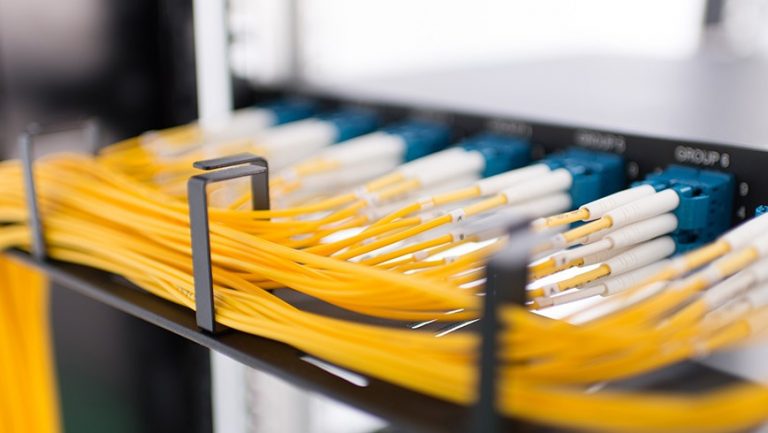
Match the fiber design to distance, environment and lifecycle
Fiber infrastructure can connect telecommunications rooms, buildings, cameras, access-control networks and high-bandwidth systems while providing electrical isolation and long-distance performance. The design must align fiber type, strand count, connectors, pathway and active electronics.
Testing and documentation are as important as installation. A clear handoff should identify routes, endpoints, strand assignments and measured results.
Explore solutions and planning guides
Structured cabling
Coordinate fiber with copper cabling, racks, pathways and labeling.
Network services
Plan switching, optics, VLANs and network readiness.
Point-to-point wireless
Compare wireless bridging where a new fiber route is impractical.
AirFiber
Review point-to-point wireless connectivity applications.
Security cameras
Support remote camera groups, parking areas and building-to-building video.
Low-voltage services
Coordinate pathways, spaces, testing and project documentation.
What we review before recommending a system
A dependable design begins with the site, the people who will use the system and the result the organization needs—not with a one-size-fits-all equipment list.
- Link distance, required throughput, loss budget and future capacity.
- Single-mode or multimode fiber and compatibility with existing optics.
- Indoor, outdoor, armored, aerial, underground and fire-rating requirements.
- Conduit, innerduct, pull points, bend radius and physical protection.
- Termination, enclosure, patching, labeling and spare-strand strategy.
- Inspection, cleaning, test method and as-built documentation.
Our project team can document existing conditions, identify integration requirements and develop an installation scope for facilities in North Carolina and South Carolina.
Plan the next step
Tell us about the property, current equipment and operational goals. We can help compare practical options and define a project path.
Authorized · Certified · Carolinas
Authorized dealer, certified installer and integrator — the Carolinas
360 Mobile Vision designs, installs and supports fiber-optic cabling and connectivity for businesses throughout North and South Carolina. We are an authorized dealer for the manufacturers we fit, which is what separates a supported system from a box bought online with nobody to call.
- DealerGenuine equipment, correct licensing and a real manufacturer support path.
- InstallerOur own certified technicians survey, cable, mount, program and commission the system.
- IntegratorNew work joined to whatever is already installed — cameras, doors, network, identity.
- Still here afterwardsRepairs, maintenance, expansion and takeover of systems installed by others. Emergency support around the clock.
Fiber-Optic Cabling and Connectivity: planning details and decision points
Planning Fiber-Optic Cabling and Connectivity begins with a field-verified scope. The proposal should account for existing infrastructure, required outcomes, coordination with other trades, commissioning and the information the client will need after installation.
- Scope boundaries: Separate included work, owner-furnished items, third-party responsibilities and optional improvements.
- Site readiness: Verify access, pathways, power, network service, mounting conditions and environmental limitations.
- Coordination: Identify dependencies involving construction, IT, facilities, property management and system vendors.
- Commissioning: Define functional tests, issue resolution, training and the evidence required for acceptance.
- Support: Record documentation, warranty routes, official downloads, service contacts and maintenance responsibilities.
Information that improves the proposal
Before pricing, gather available drawings, site counts, existing model numbers, known trouble areas, preferred management methods, required integrations and the people who will approve the final result. This lets the project specialist distinguish required work from options and avoids basing the design on assumptions.
Related choices on this site include Retail, School. Review those guides together when the systems share cabling, identity, network or operating requirements.
From assessment to a usable handoff
A dependable Fiber-Optic Cabling and Connectivity scope should move through four documented stages:
- Discover: verify field conditions, users, existing assets, constraints, priorities and the desired operating result.
- Design: compare practical options, identify tradeoffs, confirm compatibility and establish a written basis of design.
- Deliver: coordinate scheduling and responsibilities, install or configure the approved scope, and record changes found in the field.
- Validate: test the agreed functions, resolve exceptions, train the responsible users and provide the final documentation.
This sequence gives the client clear review points before purchasing decisions become difficult to change. It also creates a better basis for comparing proposals: equipment, labor, subscriptions, exclusions, testing and support can be evaluated as parts of one operating plan instead of as unrelated line items.