
Access control product-family guide
A defensible RemoteLock design connects controllers, readers, credentials, locks, software and integrations to the actual openings and user workflow. This page organizes the principal product families and the field decisions that should be settled before equipment is purchased.
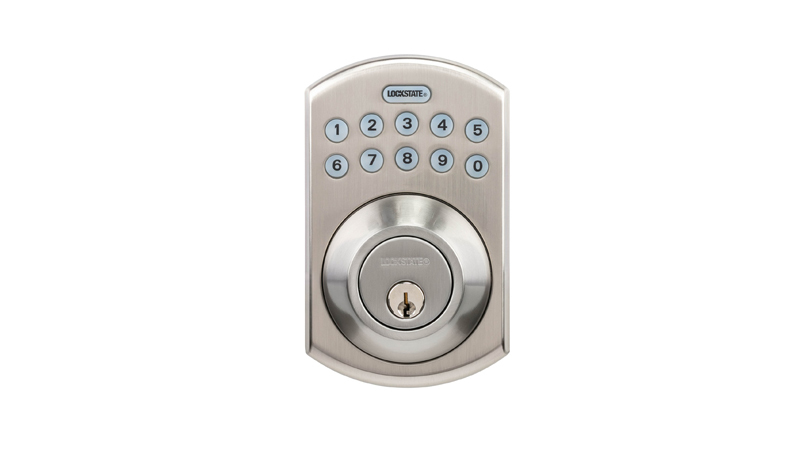
Start with the system architecture
RemoteLock product names describe parts of a solution, not the complete installed result. A responsible design also covers power, pathways, network, software or subscriptions, compatible accessories, integrations, environmental conditions, user administration, testing and long-term support. Those dependencies should be visible in the proposal instead of left for the field team to discover.
The product-family sections below summarize the principal choices represented on this site. Availability, model numbers, software packaging and regional support can change. Final selection is verified against current manufacturer documentation and the actual site before procurement.
New systems
Develop the architecture from measured conditions, operating requirements and a written acceptance plan.
Existing-system expansion
Inventory installed models, versions, licenses, capacity and support status before promising compatibility.
Phased migration
Separate reusable infrastructure from weak credentials, obsolete controllers, unsupported software and unreliable field devices.
Multi-site standards
Create repeatable naming, configuration, testing and handoff rules while preserving a survey for each location.
RemoteLock Smart Locks, OpenEdge and Connected Hardware
This product-family guide addresses Products and selection guidance, Commercial lever/deadbolt and residential/multifamily formats, Wi-Fi versus gateway-based Z-Wave/Zigbee connectivity.
- Products and selection guidance
- Commercial lever/deadbolt and residential/multifamily formats
- Wi-Fi versus gateway-based Z-Wave/Zigbee connectivity
- PIN, mobile, card and mechanical override choices
- Battery service, turnover and lock-model lifecycle
- Door, lock, free-egress, accessibility and fire-alarm requirements
- Network, power, standby battery and outage behavior
- Current licenses, subscriptions, firmware and integrations
- Administrator training, backup, documentation and maintenance
- Site-specific design
- RemoteLock
- RemoteLock platform overview
Open the detailed RemoteLock Smart Locks, OpenEdge and Connected Hardware guide
RemoteLock Universal Access Control Cloud Software
This product-family guide addresses Products and selection guidance, Cloud account, properties, users and lock groups, PMS/reservation integration and automated code lifecycle.
- Products and selection guidance
- Cloud account, properties, users and lock groups
- PMS/reservation integration and automated code lifecycle
- Audit, remote operations and staff/vendor access
- Supported lock model, gateway and firmware matrix
- Door, lock, free-egress, accessibility and fire-alarm requirements
- Network, power, standby battery and outage behavior
- Current licenses, subscriptions, firmware and integrations
- Administrator training, backup, documentation and maintenance
- Site-specific design
- RemoteLock
- RemoteLock partner platform overview
Open the detailed RemoteLock Universal Access Control Cloud Software guide
Decisions to document before ordering RemoteLock
Use these questions to turn a feature discussion into an installable scope. Any item that remains unresolved should appear as an assumption, allowance or exclusion rather than becoming an undocumented field decision.
- Inventory every controlled opening, frame, lock, reader, request-to-exit device, contact, power supply and reusable cable.
- Choose cloud, on-premises or hybrid administration and assign ownership for identities, schedules, visitors, backups and renewals.
- Confirm controller capacity, reader protocol, credential technology, lock compatibility, offline behavior and standby power.
- Map video, intrusion, intercom, elevator, fire-alarm, HR, directory and property-management integrations before ordering.
- Document free egress, accessibility, door hardware, emergency release, mechanical override and other trade responsibilities.
- Define acceptance tests for valid, invalid, emergency, outage, mobile and administrator scenarios.
Reuse, migration and lifecycle review
An existing system may contain a mix of serviceable field hardware and components that are no longer secure, supported or economical. Record model and serial information, firmware and application versions, active licenses, administrator access, backups, warranties, spare capacity and known faults. Test reused devices instead of assuming they work because they are present.
Compare continued support, partial modernization and replacement using lifecycle cost and operational risk. A lower initial price can be misleading if the client inherits unsupported software, weak credentials, subscription surprises, proprietary dependencies or an undocumented integration. The handoff should identify official support resources and state who owns updates, renewals, backups and recovery.
Project delivery and acceptance
1. Discovery
Define the operating problem, users, sites, critical areas, policies, existing assets and success criteria.
2. Field verification
Measure conditions, inspect infrastructure, photograph constraints and resolve responsibilities shared with other trades.
3. Design and deployment
Approve models, capacity, licensing, pathways, settings, integration ownership, test cases and the installation sequence.
4. Closeout
Resolve exceptions and provide labels, test records, versions, diagrams, backups, training and official support routes.
North and South Carolina projects are coordinated from Charlotte. Coverage and scheduling depend on the site count, scope, required trades, field conditions and support expectations.
RemoteLock planning questions
Can existing equipment be reused?
Possibly. Reuse depends on exact models, condition, protocol, firmware, software support, capacity and the target security or performance level. A survey and supported compatibility check are required before reuse becomes part of the proposal.
How are product models selected?
Models are selected from the required function, site conditions, capacity, environment, integrations, lifecycle and current availability. A catalog feature alone is not a substitute for those design inputs.
Who manages software, subscriptions and updates?
The project scope should name the client and service responsibilities for accounts, licenses, renewals, backups, release review, maintenance windows and recovery. Software and firmware come only from official manufacturer resources.
What should be tested at handoff?
Acceptance should prove normal operation, invalid or exception behavior, loss of power or communications, alerts, integrations, user permissions, reporting and the owner’s ability to perform routine administration.
Can 360 Mobile Vision service an existing RemoteLock system?
We can inventory the installed environment, identify deficiencies and evaluate repair, expansion, migration or replacement. Manufacturer entitlement, administrator access and current support status are confirmed during discovery.
Official product and lifecycle resources
Use current manufacturer-controlled documentation for model availability, software, firmware, compatibility and release notes. 360 Mobile Vision links to official resources and does not redistribute firmware files.
Build a site-specific RemoteLock scope
Share the locations, quantities, existing models, required integrations, network or power constraints, desired schedule and support expectations. That information allows a focused survey and product-family comparison.
Authorized · Certified · Carolinas
Authorized RemoteLock dealer, certified installer and integrator
360 Mobile Vision sells, installs, programs and services RemoteLock for businesses across North and South Carolina — universal cloud access software, OpenEdge smart locks and connected door hardware. Being the authorized dealer as well as the installer is what gets you genuine equipment, a valid warranty and a manufacturer support path when something needs escalating.
- DealerWe quote and supply genuine RemoteLock equipment, licensing and subscriptions.
- InstallerOur own technicians run the cable, mount the hardware, set the software up and test it — not a subcontractor you have never met.
- IntegratorWe make it work with the cameras, doors, network and identity systems already in the building, rather than leaving you with two systems that do not talk.
- Still here afterwardsService, repair, expansion and takeover of systems somebody else installed. Emergency support around the clock.
Official RemoteLock software, firmware and support
Use the manufacturer links below for current software, firmware, release notes, manuals and technical resources. 360 Mobile Vision links directly to official manufacturer portals and does not copy or host firmware files.
Before installing an update: verify the exact model, region, hardware revision, current version, required intermediate releases, licensing or support entitlement, backup and rollback plan, integrations and maintenance window. An incorrect firmware package or upgrade sequence can interrupt service, invalidate compatibility or prevent a downgrade. Coordinate updates for monitored, life-safety-adjacent or business-critical systems with the system administrator and an authorized specialist.
Some resources require a customer, dealer, certified-technician or active-support login. Cloud-managed products may update automatically and may not provide a public firmware file.
REMOTELOCK®: planning details and decision points
A complete REMOTELOCK® design should connect the manufacturer’s product families to the site’s doors, camera views, alarm zones, users and response procedures. Product selection should follow required functions, integrations and lifecycle support—not a single headline feature.
- System fit: Confirm the number and type of openings, cameras, zones, users, sites and operator workstations.
- Product families: Compare controllers, readers, credentials, locks, sensors, cameras, appliances and management options that apply to the project.
- Integration: Validate identity, video, intercom, intrusion, elevator, visitor and network dependencies before ordering.
- Resilience: Document power, battery, network-loss behavior, local decision making, recording and recovery procedures.
- Lifecycle: Confirm current models, subscriptions, warranty, official software resources and the client’s update responsibilities.
Information that improves the proposal
Before pricing, gather available drawings, site counts, existing model numbers, known trouble areas, preferred management methods, required integrations and the people who will approve the final result. This lets the project specialist distinguish required work from options and avoids basing the design on assumptions.
Related choices on this site include Security Company home text, Property Management, Retail, School. Review those guides together when the systems share cabling, identity, network or operating requirements.
From assessment to a usable handoff
A dependable REMOTELOCK® scope should move through four documented stages:
- Discover: verify field conditions, users, existing assets, constraints, priorities and the desired operating result.
- Design: compare practical options, identify tradeoffs, confirm compatibility and establish a written basis of design.
- Deliver: coordinate scheduling and responsibilities, install or configure the approved scope, and record changes found in the field.
- Validate: test the agreed functions, resolve exceptions, train the responsible users and provide the final documentation.
This sequence gives the client clear review points before purchasing decisions become difficult to change. It also creates a better basis for comparing proposals: equipment, labor, subscriptions, exclusions, testing and support can be evaluated as parts of one operating plan instead of as unrelated line items.
Related services, products and planning guides
Property Management
Use the Property Management guide to compare compatible equipment, integrations, deployment choices and lifecycle responsibilities related to this project.
Retail
Use the Retail guide to compare compatible equipment, integrations, deployment choices and lifecycle responsibilities related to this project.
School
Use the School guide to compare compatible equipment, integrations, deployment choices and lifecycle responsibilities related to this project.
Contact 360 Mobile Vision
Use the Contact 360 Mobile Vision guide to compare compatible equipment, integrations, deployment choices and lifecycle responsibilities related to this project.