
Network services planning guide
A successful low-voltage and network infrastructure project begins with the operating problem, not a model number. Use this page to frame how IT Services may fit the site, which dependencies must be verified and what should appear in a complete installation scope.
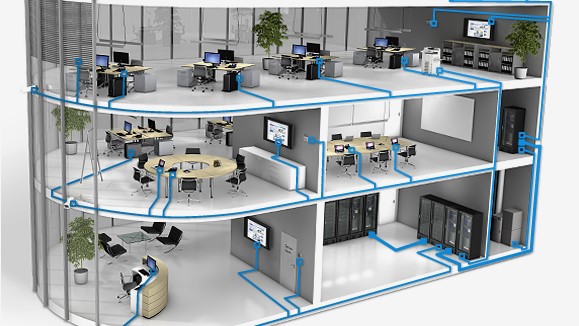
Product capabilities worth comparing
The strongest proposal will explain which of these capabilities is needed, which is optional and which is incompatible with the current environment.
- Certified IT Services Design, Installation and Support
- What a complete project can include
- On-site assessment and review of existing infrastructure
- System design, equipment selection and written project scope
- Cabling, mounting, termination, configuration and integration
- Device-by-device testing, labeling and project documentation
- Administrator orientation, user training and support planning
Decisions to document before procurement
Turn the product discussion into an installable scope by documenting these decisions. They influence labor, accessories, licensing, testing and long-term service.
- Specify media, category, strand count, connectors, PoE load, patching and growth capacity before installation.
- Coordinate addressing, segmentation, cybersecurity, remote management and monitoring with the owner’s standards.
- Test, label and document every installed link using the acceptance criteria defined for the project.
- Deliver rack elevations, test results, cable schedules, configuration records and an expansion plan at handoff.
Planning for North and South Carolina facilities
A Charlotte-area headquarters, a Triangle campus and a Lowcountry property may use the same platform differently. The project record should distinguish site-level constraints while keeping credentials, retention, cybersecurity and support standards consistent across the portfolio.
Carolina design and deployment coordination begins at 6201 Fairview Rd, Charlotte, North Carolina 28210 - USA. The proposal records travel, access, work windows and service responsibilities for each included location.
A practical delivery sequence
1. Discovery
Define objectives, users, existing assets, ownership and measurable acceptance criteria. The IT Services scope should identify the evidence produced at this stage.
2. Field review
Validate infrastructure, pathways, power, network, integrations, environment and work restrictions. The IT Services scope should identify the evidence produced at this stage.
3. Documented design
Select components only after assumptions, responsibilities, licensing and test criteria are written. The IT Services scope should identify the evidence produced at this stage.
4. Acceptance
Exercise normal operation, failures and recovery; then deliver training and system records. The IT Services scope should identify the evidence produced at this stage.
Lifecycle, updates and official resources
Availability and compatibility can change after a page is published. The project team must validate the current release, supported hardware and required licenses directly with the manufacturer. Any update should have a tested backup and rollback approach.
Current manuals, release notes, compatibility information and downloads should be obtained from the manufacturer’s official support portal for the selected product.
Build a site-specific scope
A useful first conversation includes the current system, number of sites, operational problem, desired timeline and any owner standards. We can then evaluate the role of IT Services in the project.
IT Services: planning details and decision points
Planning IT Services begins with a field-verified scope. The proposal should account for existing infrastructure, required outcomes, coordination with other trades, commissioning and the information the client will need after installation.
- Scope boundaries: Separate included work, owner-furnished items, third-party responsibilities and optional improvements.
- Site readiness: Verify access, pathways, power, network service, mounting conditions and environmental limitations.
- Coordination: Identify dependencies involving construction, IT, facilities, property management and system vendors.
- Commissioning: Define functional tests, issue resolution, training and the evidence required for acceptance.
- Support: Record documentation, warranty routes, official downloads, service contacts and maintenance responsibilities.
Information that improves the proposal
Before pricing, gather available drawings, site counts, existing model numbers, known trouble areas, preferred management methods, required integrations and the people who will approve the final result. This lets the project specialist distinguish required work from options and avoids basing the design on assumptions.
Related choices on this site include Voice and Data Cabling, Retail, School. Review those guides together when the systems share cabling, identity, network or operating requirements.
From assessment to a usable handoff
A dependable IT Services scope should move through four documented stages:
- Discover: verify field conditions, users, existing assets, constraints, priorities and the desired operating result.
- Design: compare practical options, identify tradeoffs, confirm compatibility and establish a written basis of design.
- Deliver: coordinate scheduling and responsibilities, install or configure the approved scope, and record changes found in the field.
- Validate: test the agreed functions, resolve exceptions, train the responsible users and provide the final documentation.
This sequence gives the client clear review points before purchasing decisions become difficult to change. It also creates a better basis for comparing proposals: equipment, labor, subscriptions, exclusions, testing and support can be evaluated as parts of one operating plan instead of as unrelated line items.
Related services, products and planning guides
Retail
Use the Retail guide to compare compatible equipment, integrations, deployment choices and lifecycle responsibilities related to this project.
School
Use the School guide to compare compatible equipment, integrations, deployment choices and lifecycle responsibilities related to this project.
Voice and Data Cabling
Use the Voice and Data Cabling guide to compare compatible equipment, integrations, deployment choices and lifecycle responsibilities related to this project.