
North and South Carolina
Key Fob, Card and Keypad Access Systems
Plan choosing credentials and readers that fit enrollment, security, visitor and door-operation workflows for commercial properties across North and South Carolina.
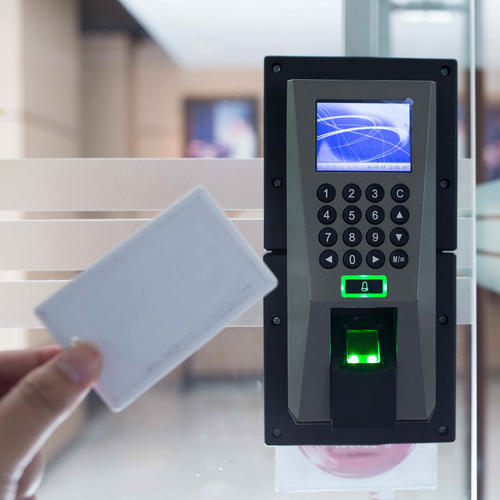
Where this solution fits
Successful projects begin by documenting the site, the people who operate it and the result the organization needs. Product and service choices can then be compared against compatibility, lifecycle, cybersecurity, code, installation and support requirements.
360 Mobile Vision begins with the organization’s workflow, existing environment and acceptance criteria. The result is a scoped recommendation rather than a generic equipment or feature list.
Capabilities and decisions
Credentials and readers
Open the related guide for product, design and implementation details.
Access control software
Open the related guide for product, design and implementation details.
Electronic locks
Open the related guide for product, design and implementation details.
Access control installation
Open the related guide for product, design and implementation details.
Planning checklist
The discovery conversation should settle the following items before implementation begins:
- Existing equipment, drawings, credentials and available configuration backups.
- Required users, locations, workflows, integrations and expected growth.
- Power, pathways, cabling, network and environmental constraints.
- Safety, egress, privacy, retention and organizational policy requirements.
- Product support status, update path and compatible replacement options.
- Commissioning tests, administrator training and final documentation.
How a project moves forward
Discover
Review objectives, conditions and the existing technology baseline.
Compare
Evaluate compatible approaches and lifecycle tradeoffs.
Scope
Define equipment, labor, integrations and project responsibilities.
Implement
Install and configure through controlled, documented changes.
Accept
Test agreed workflows and complete owner handoff.
Discuss a Carolina project
Share the current environment, required outcomes, users, timeline and known constraints. We can help define a practical next step for a North Carolina or South Carolina facility.
KEY FOB SYSTEM, CARD ACCESS & KEYPADS: planning details and decision points
A complete KEY FOB SYSTEM, CARD ACCESS & KEYPADS design should connect the manufacturer’s product families to the site’s doors, camera views, alarm zones, users and response procedures. Product selection should follow required functions, integrations and lifecycle support—not a single headline feature.
- System fit: Confirm the number and type of openings, cameras, zones, users, sites and operator workstations.
- Product families: Compare controllers, readers, credentials, locks, sensors, cameras, appliances and management options that apply to the project.
- Integration: Validate identity, video, intercom, intrusion, elevator, visitor and network dependencies before ordering.
- Resilience: Document power, battery, network-loss behavior, local decision making, recording and recovery procedures.
- Lifecycle: Confirm current models, subscriptions, warranty, official software resources and the client’s update responsibilities.
Information that improves the proposal
Before pricing, gather available drawings, site counts, existing model numbers, known trouble areas, preferred management methods, required integrations and the people who will approve the final result. This lets the project specialist distinguish required work from options and avoids basing the design on assumptions.
From assessment to a usable handoff
A dependable KEY FOB SYSTEM, CARD ACCESS & KEYPADS scope should move through four documented stages:
- Discover: verify field conditions, users, existing assets, constraints, priorities and the desired operating result.
- Design: compare practical options, identify tradeoffs, confirm compatibility and establish a written basis of design.
- Deliver: coordinate scheduling and responsibilities, install or configure the approved scope, and record changes found in the field.
- Validate: test the agreed functions, resolve exceptions, train the responsible users and provide the final documentation.
This sequence gives the client clear review points before purchasing decisions become difficult to change. It also creates a better basis for comparing proposals: equipment, labor, subscriptions, exclusions, testing and support can be evaluated as parts of one operating plan instead of as unrelated line items.