
North and South Carolina
Ethernet Cable Installation
Plan deploying standards-based copper Ethernet links with suitable pathways, PoE capacity and certification testing for North Carolina and South Carolina facilities.
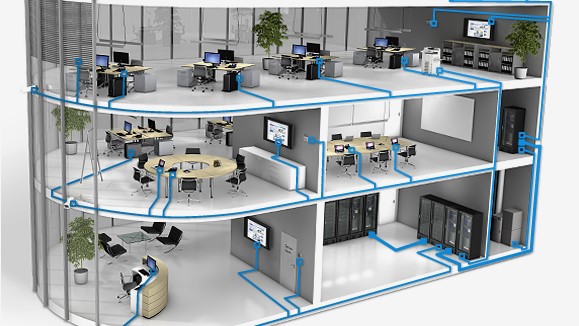
Where this solution fits
Ethernet Cable Installation should be scoped from field conditions and the systems that will depend on the work. Discovery records existing infrastructure, access constraints, operating windows, standards, test requirements and the documentation the owner expects at closeout.
360 Mobile Vision begins with the organization’s workflow, existing environment and acceptance criteria. The result is a scoped recommendation rather than a generic equipment or feature list.
Capabilities and decisions
Category And Performance Choice
Confirm scope, dependencies, workmanship standard and acceptance evidence for category and performance choice.
Distance And Pathway Compliance
Confirm scope, dependencies, workmanship standard and acceptance evidence for distance and pathway compliance.
Poe And Heat Considerations
Confirm scope, dependencies, workmanship standard and acceptance evidence for PoE and heat considerations.
Certification And Labeling
Confirm scope, dependencies, workmanship standard and acceptance evidence for certification and labeling.
Planning checklist
The discovery conversation should settle the following items before implementation begins:
- Current drawings, labels, rack layouts and known trouble areas.
- Device, outlet, port, strand or coverage requirements and expected growth.
- Ceiling, riser, conduit, outdoor, fire-rating and environmental conditions.
- Network, power, grounding, carrier and other-trade dependencies.
- Work-hour, occupancy, safety, restoration and change-control requirements.
- Test method, naming convention, as-built format and owner handoff.
How a project moves forward
Survey
Verify routes, spaces, endpoints, access and retained systems.
Design
Define media, topology, quantities, labels and test requirements.
Prepare
Coordinate materials, configuration, access and work sequencing.
Install
Complete the field work with controlled changes and daily records.
Validate
Test the agreed performance and deliver closeout documentation.
Discuss a Carolina project
Share the current environment, required outcomes, users, timeline and known constraints. We can help define a practical next step for a North Carolina or South Carolina facility.
Ethernet Cable Installation: planning details and decision points
A successful Ethernet Cable Installation project depends on accurate field conditions and a testable handoff. Cable type, distance, pathways, equipment locations, capacity and redundancy should be settled before labor and hardware are committed.
- Existing conditions: Survey pathways, telecom rooms, grounding, power, rack space, active equipment and constraints above ceilings or between buildings.
- Performance target: Define bandwidth, latency, device density, power delivery, availability and future-capacity requirements.
- Installation plan: Coordinate access, labeling, firestopping, work hours, protection of occupied areas and restoration of finishes.
- Testing: Agree on certification, optical or copper test results, coverage validation and exception handling.
- Handoff: Provide labels, schedules, test records, configuration notes and a clear list of owner responsibilities.
Information that improves the proposal
Before pricing, gather available drawings, site counts, existing model numbers, known trouble areas, preferred management methods, required integrations and the people who will approve the final result. This lets the project specialist distinguish required work from options and avoids basing the design on assumptions.
Related choices on this site include Network Brands, Network Services, Structured Cabling. Review those guides together when the systems share cabling, identity, network or operating requirements.
From assessment to a usable handoff
A dependable Ethernet Cable Installation scope should move through four documented stages:
- Discover: verify field conditions, users, existing assets, constraints, priorities and the desired operating result.
- Design: compare practical options, identify tradeoffs, confirm compatibility and establish a written basis of design.
- Deliver: coordinate scheduling and responsibilities, install or configure the approved scope, and record changes found in the field.
- Validate: test the agreed functions, resolve exceptions, train the responsible users and provide the final documentation.
This sequence gives the client clear review points before purchasing decisions become difficult to change. It also creates a better basis for comparing proposals: equipment, labor, subscriptions, exclusions, testing and support can be evaluated as parts of one operating plan instead of as unrelated line items.
Related services, products and planning guides
Network Brands
Use the Network Brands guide to compare compatible equipment, integrations, deployment choices and lifecycle responsibilities related to this project.
Network Services
Use the Network Services guide to compare compatible equipment, integrations, deployment choices and lifecycle responsibilities related to this project.
Structured Cabling
Use the Structured Cabling guide to compare compatible equipment, integrations, deployment choices and lifecycle responsibilities related to this project.